
Free HSE tool · Planning & Permits
Permit to Work (PTW): the Form and the System
The permit to work is the controlled authorisation for the high-risk task — the hot work, the confined space, the electrical isolation, the working at height — and it is the document the investigation opens when the task goes wrong. A PTW that is a rubber stamp is worse than none, because it is the evidence of a control that did not happen.
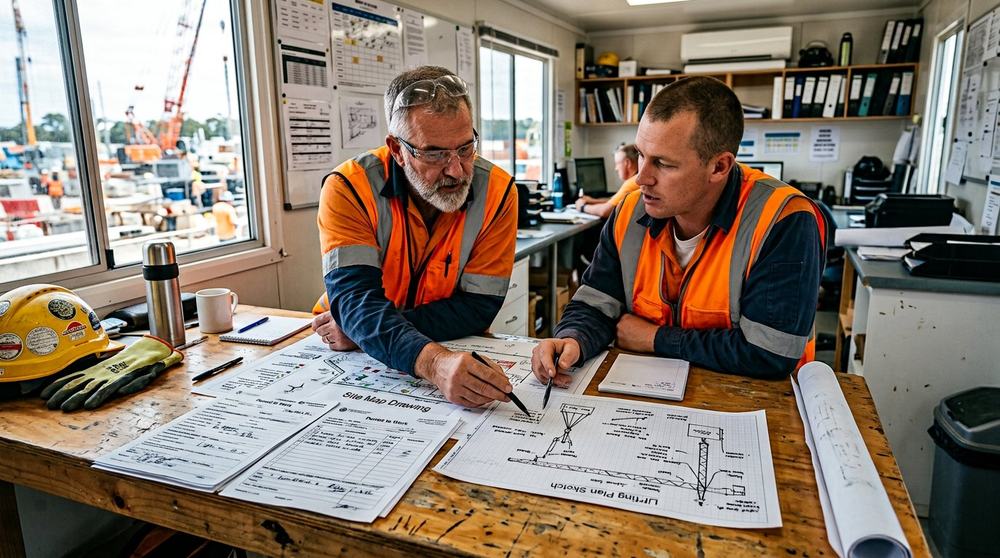
Free Permit to Work Form + System Audit
Select the work type — the controls for that type appear, the gas test checks itself, and the 20-point audit checks the system around the permit.
Controls for this work type
Gas test (live check)
| Gas | Limit | Measured | Status |
|---|---|---|---|
| Oxygen (%) | 19.5 – 23.5 | – | |
| LEL (%) | < 10 | – | |
| CO (ppm) | < 30 | – | |
| H2S (ppm) | < 10 | – |
PTW system audit (20 points)
Use the form below: select the work type, and the tool shows the controls for that type — the isolation, the gas test (with the live limits for the confined space), the area and the people, the time, the emergency. The 20-point system audit below is the check that the PTW system itself is working — the procedure, the training, the log, the review — because the form is only as good as the system around it.
How to use the tool
- Select the work type — hot, confined space, electrical, working at height, or the general (cold) work
- Complete the permit header — the number, the area, the issuer, the receiver, the start and the end time
- Work the controls for the type — the isolation, the gas test, the gas limits, the emergency, the specific controls the type requires
- Issue the permit — the issuer signs, the receiver signs, the permit is posted at the location and logged
- Close the permit — the work complete, the area checked, the permit cancelled and returned; the system audit below checks the whole cycle
Worked example
A hot-work permit on the storage tank farm: the issuer the area supervisor, the receiver the welding gangs foreman, the area the tank 4 bund. Controls: the tank isolated (the blind fitted, the valve locked, the blind certificate), the gas test at the point of work — O2 20.9, LEL 0, CO 2, H2S 0 — all within limits, the fire watch appointed with the 2 kg and the 6 kg, the drip tray, the 15-metre radius cleared of the combustibles, the fire brigade briefed, the emergency the muster and the alarm. Time: 08:00–16:00, the permit valid one shift, the extension by re-issue, not by a tick. Close: the work complete at 15:10, the area cooled and checked for 30 minutes (the smoulder check), the permit cancelled and returned, the log updated. The audits 20 points are the check that this cycle, repeated 200 times a year, holds at the 200th.
Standard & legal context
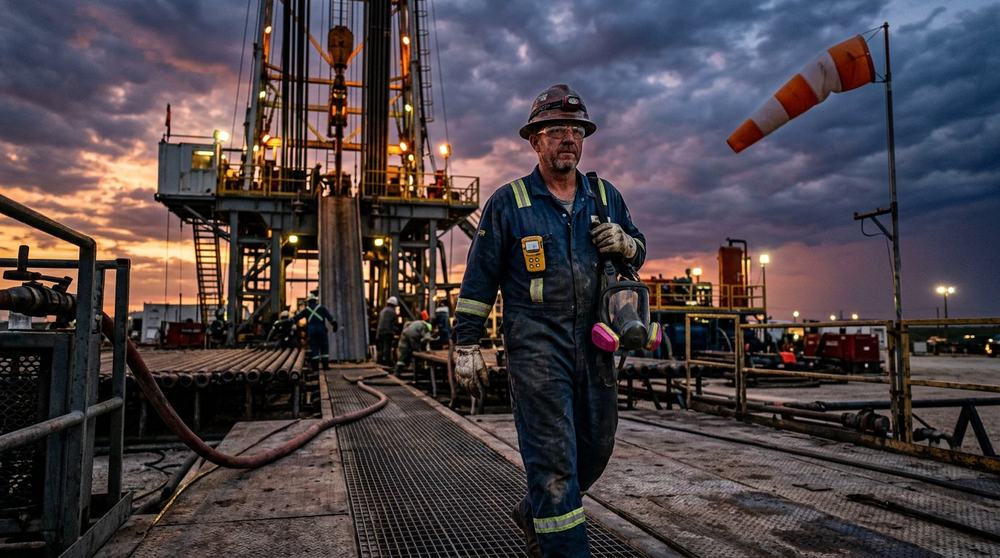
The PTW is the standard high-risk control in the UK (the HSE process safety practice, the HSG100 and the INDG family), the US (the OSHA process safety standard 1910.119 references the PTW as the standard control, and the HAZWOPER 1910.120 requires the authorisation for the confined space and the hot work in the HAZWOPER universe), and the oil and gas industry worldwide (the API and the ISO practice). ISO 45001 risk control and the MOC sit on the same logic. The form below is the industry pattern with the gas limits from the UK and US practice.
Common mistakes
- The rubber stamp — the permit signed at the office without the area check is the document the investigation quotes back at you
- The extension by the tick — the permit is valid for the shift stated; the extension is a re-issue with the re-test, not a line added
- The gas test once, at the start — the confined space is tested before and during, and the hot work is re-tested on the change; the single test is the one that misses the drift
- No log, no review — the PTW system is audited: the log of the permits issued, the training of the issuers and the receivers, and the periodic review of the system; the 20-point audit below is that review
Need the sign-off, not just the tool?
The tool is the preparation; the sign-off is the professional. For the statutory assessments, the audits, the ISO 45001 implementation and the training that comes with them, ask Muhammad Umer — 8+ years across Iraq, KSA and Pakistan, and the programme runs through umer-hse.pro. One message gets the written scope.
Common questions
Permit to Work (PTW) — answered
What is a permit to work?
The PTW is the written authorisation for the high-risk task — the hot work, the confined space entry, the electrical isolation work, the working at height — that records the controls in place, the people authorised, the time, and the cancellation. It is the controlled interface between the task and the system.
When is a permit required?
The high-risk tasks: the hot work in the flammable area, the confined space entry, the work on or near the isolated energy, the working at height above the threshold, the radiation, the pressure. The site PTW procedure lists the triggers; the form on this page covers the five standard types.
What are the gas test limits for confined space?
Oxygen 19.5–23.5% (the breathing air), the LEL under 10% of the lower explosive limit, the CO under 30 ppm (the ceiling practice), the H2S under 10 ppm (the OSHA ceiling; the 5 ppm the good practice). The tool checks the live values against these.
Who issues the permit?
The competent person with authority over the area — the area supervisor, the shift chargehand, the operator in charge — not the person doing the work. The issuer and the receiver are different people, and both sign; that separation is the control.
How long is a permit valid?
The shift stated on the permit — the one-shift validity is the standard, and the extension is a re-issue with the re-test and the re-sign, not a continuation. The confined space is the strictest: the permit is for the entry, and the re-entry is the re-issue.
Can I print the permit and the audit?
Yes — the Print button produces the permit (the header, the type controls, the gas table, the signatures) and the 20-point system audit as a PDF. The permit is posted at the location; the audit is the document the system review and the client audit work from.
Keep building
Related tools
Confined Space Checklist
Free confined space entry checklist: the permit, the live gas test (O2, LEL, CO, H2S) with the limits, the iso
Risk AssessmentsJob Safety Analysis (JSA/JHA)
Free job safety analysis tool: break the job into steps, list the hazards, existing controls, add new controls
Planning & PermitsLifting Plan
Free lifting plan (LLOP) tool: the lift details, the automatic classification (basic, complex, special), the m
THE HEALTH AND SAFETY is an education and knowledge network. The tools are free and open; the professional assessments and audits run through umer-hse.pro.
Safety disclaimer
These tools are practical guidance, built to the UK baseline with the US equivalents named on each page. They do not replace a competent person assessment for high-risk work, a statutory assessment, or the advice of your insurer. Where a document has legal force — the fire risk assessment, the COSHH register, the permit to work — the responsible person owns it. Use the tool as the preparation, and the competent person as the sign-off.