
Blog · 2 articles
Oil & Gas
The oil and gas side of the blog: the gas that kills fast, and the awareness that stops it. The H2S basics — the properties, the effects at each concentration, the detection, the PPE, the escape — and the contingency plan that is the response written before the alarm.
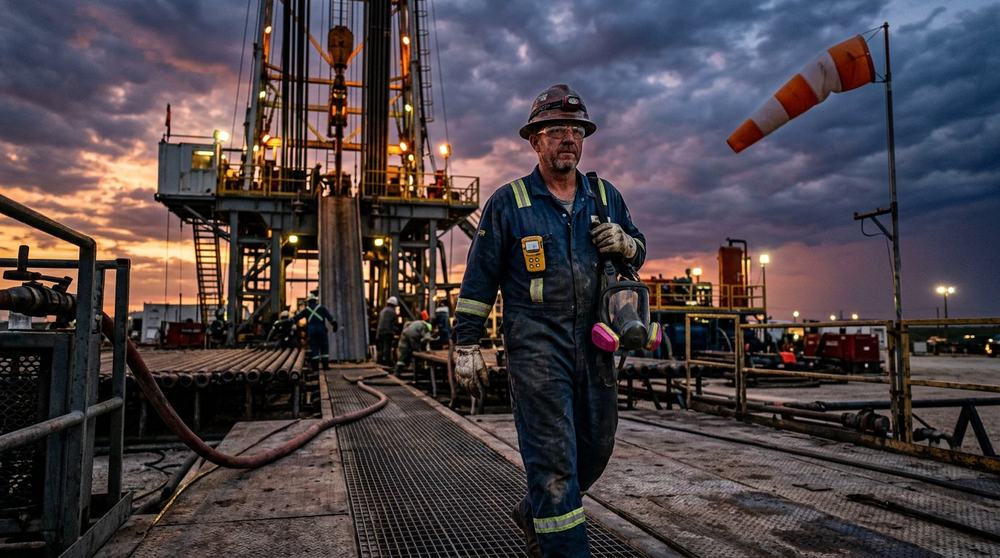
The oil and gas side of the blog is the gas that is the kill, and the awareness that is the stop. H2S is the gas that kills fast, and the basics are the properties, the effects at each concentration, the detection, the protection, the escape, and the 100 ppm rule. The contingency plan is the response written before the alarm: the detection, the evacuation, the rescue, the medical, the recovery, and the drill that makes the response the muscle. The articles are the awareness, and the awareness is the shift that goes home.
The two articles, in the order to read them: the H2S awareness basics is the gas, the effect, the detection, the protection, the escape, and the 100 ppm rule. The H2S contingency plan is the response written before the alarm: the five elements, the no-hero rule, and the drill that is the twice-a-year minimum.
Every article on this page is written the same way: the working method first, the example that holds, and the mistake that fails the review. The professional version — the sign-off, the audit, the training — runs through umer-hse.pro.
Oil and gas is the sector where every other hazard lives at the same time, at the same place. The hydrocarbon is flammable and it is under pressure. The H2S is toxic and it is heavier than air. The vessel is a confined space and it is a pressure system. The structure is work at height and it is over water. No single regulation covers the sector; the law that actually runs an O&G site is the general duty in the Health and Safety at Work Act 1974, built out by the PUWER for the plant, the Pressure Systems Safety Regulations 2000 for the vessels and the pipework, the Management Regulations for the risk assessment, and the process safety thinking — the UK's COMAH regime and the US's PSM standard, 29 CFR 1910.119 — for the major accident hazards.
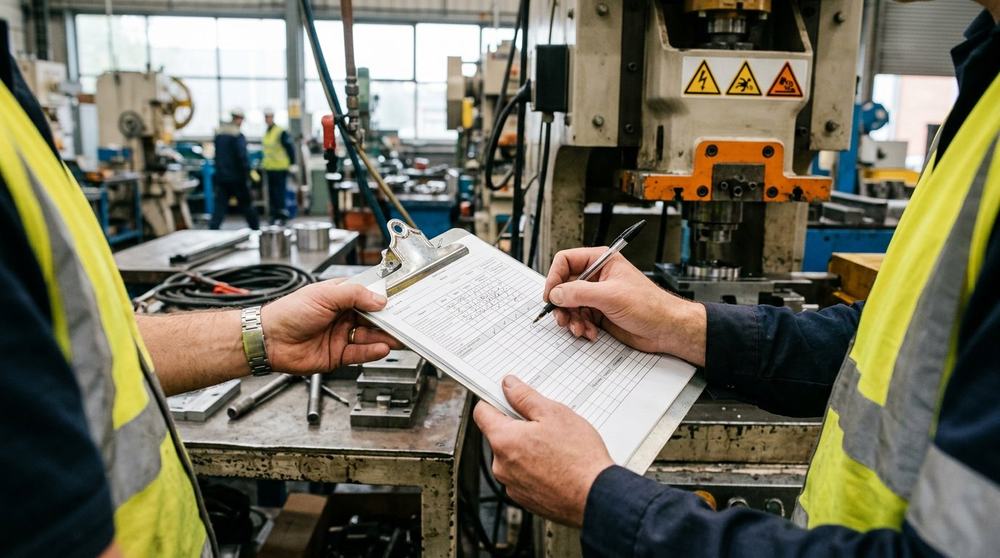
The culture that keeps the sector safe is the permit. A permit to work is not paperwork — it is the moment when the person who owns the energy and the person who wants to touch it agree, in writing, what is isolated, what is tested, what is barricaded, and who holds the authority to open it. The hot work permit, the confined space entry, the line break, the electrical isolation: each one is a conversation with a signature. The audit question that finds the weak sites is not "do you have permits" — it is "who verified the isolation, and when". A permit that was signed before the line was dead is a document, not a control.
The articles in this category work through the hazards that define the sector: the gas that gathers at the lowest point, the pressure that does not forgive, the interface where two systems meet and the energy moves from one to the other. The practical thread running through all of them is the same one that keeps sites running — know your energy, isolate it, verify it, and keep the record. For the audit preparation and the process safety reviews, the professional work runs through umer-hse.pro.
- Know the energy before the work — isolate it, verify it, hold it
- The permit is a conversation with a signature, not a document to be filed
- The H2S pools at the lowest point — check the ground level before the platform
- The interface is where the energy moves, and the plan has to name who owns it
2 articles
The Oil & Gas articles
H2S Awareness: The Gas That Kills Fast, and the Basics That Stop It
Hydrogen sulphide (H2S) awareness basics: the properties, the effects at each concentration, the detection, th
Oil & Gas · 29 August 2026The H2S Contingency Plan: The Response Before the Alarm
The H2S contingency plan, in working form: the detection, the alarm, the evacuation, the rescue, the medical,
Safety disclaimer
The articles on this blog are practical guidance, built to the UK baseline with the US equivalents named in the text. They do not replace a competent person assessment for high-risk work, a statutory assessment, or the advice of your insurer. Where a duty has legal force — the fire risk assessment, the risk assessment, the COSHH register — the responsible person owns it. Read the article as the preparation, and take the sign-off from the competent person.