
Guide · UK HSE · 2 September 2026
CDM 2015: the Principal Contractor Duties & Responsibilities
CDM — the Construction (Design and Management) Regulations 2015 — is the UK health and safety law for construction. It puts a specific duty on each of the five duty holders: the client, the designer, the principal designer, the principal contractor, and the contractor. This guide is each role in working form — what the principal contractor must actually do, and how the F1 file ties the project together.
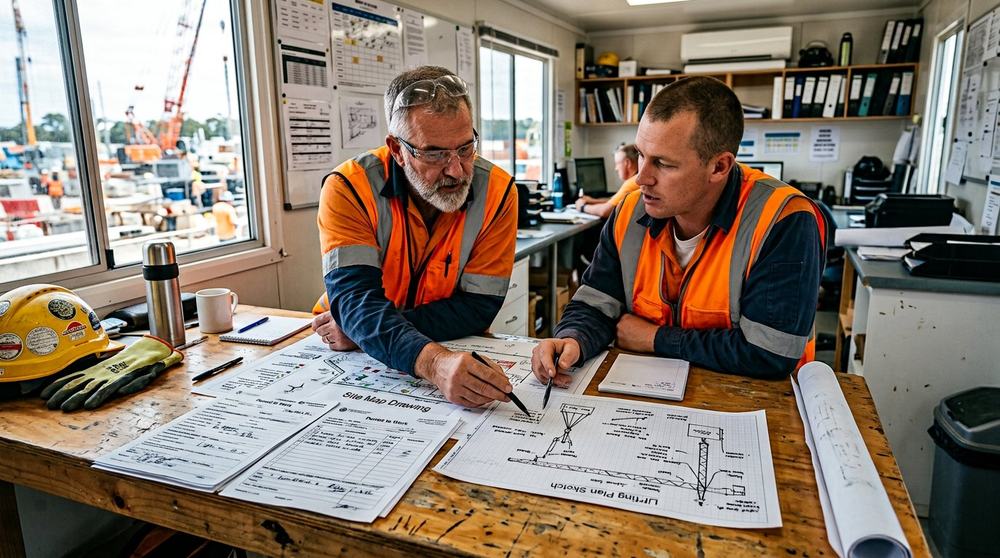
The CDM: the regulations for construction
CDM applies to every construction project in the UK: building, civil engineering, demolition, and maintenance work. It is not one rule but a set of duties, and each duty belongs to a specific role on the project. Put the duty on the wrong role and the site is exposed — which is how most CDM prosecutions start.
The US comparison helps: CDM is the closest thing the UK has to OSHA 1926 (the construction standard) combined with the design-responsibility allocation of the AIA contracts. CDM goes further — it makes the management of health and safety a legal duty of the project itself, not only of the contractor on site.
The five duty holders: the role, and the duty
Every construction project has the five duty holders, even a domestic project with one builder: the client, the designer, the principal designer, the principal contractor, and the contractor.
The client commissions the project — the one who pays and sets the brief. The client's duties are to plan and organise the project, allow enough time and resource for health and safety, and give the pre-construction information to the principal designer and the principal contractor. The client sits at the top of the CDM chain: the duty is the biggest, because the client controls the time, the budget, and the scope.
The designer is the architect or the engineer who designs the project. The designer's duties are to eliminate or reduce the risk in the design, to provide the information to the other duty holders, and to co-operate. Designing the risk out of the building is the first rung of the hierarchy — it beats any control the site adds later.
The principal designer takes the design phase: pre-construction, the design, and the tender. The principal designer organises and co-ordinates the design work, identifies the design risks, and hands the information to the principal contractor in time for the construction phase.
The principal contractor runs the construction phase: the on-site build, appointed by the client in writing, usually in the contract. The contractor is the trade or the sub who follows the plan and manages the crew.
The principal contractor: the role in depth
The principal contractor organises and co-ordinates the construction phase. The appointment is made by the client in writing — in the contract — and the duty attaches to the role, not to the company name on the letterhead.
The core duties: prepare and implement the construction phase plan (the CDM plan); organise the construction so the risks it identifies are controlled; manage the site risks day to day; enforce compliance with CDM across the contractors; and report the incidents that RIDDOR covers.
The CDM plan is the construction-phase document: the risks, the controls, the sequence of the work, and the resources. The principal contractor owns it, keeps it current as the design develops, and shares it with every contractor on site. A plan that is never updated is a plan that does not exist, in the eyes of an enforcement officer.
Enforcement is the part most people underestimate: the principal contractor who does not enforce the CDM plan is non-compliant, and non-compliance is what the prosecution is built on. The plan is only as good as the follow-through.
The coordination: how CDM works
CDM runs on one mechanism: the flow of information from the design phase to the construction phase. The principal designer hands the design information and the risk information to the principal contractor; the principal contractor hands the construction plan to the contractors. Where that flow breaks, the site pays for it.
The meetings are where the coordination lives: the pre-construction meeting covers the design and the tender, and the construction meetings cover the on-site coordination. The minutes are the evidence — the auditor and the investigator read them first.
At the end of the project, the F1 — the health and safety file — is the deliverable. It holds the post-construction information: what the maintainers, the cleaners, and the next contractor need to know. The principal designer prepares it, the principal contractor updates it through the build, and the client receives it at handover.
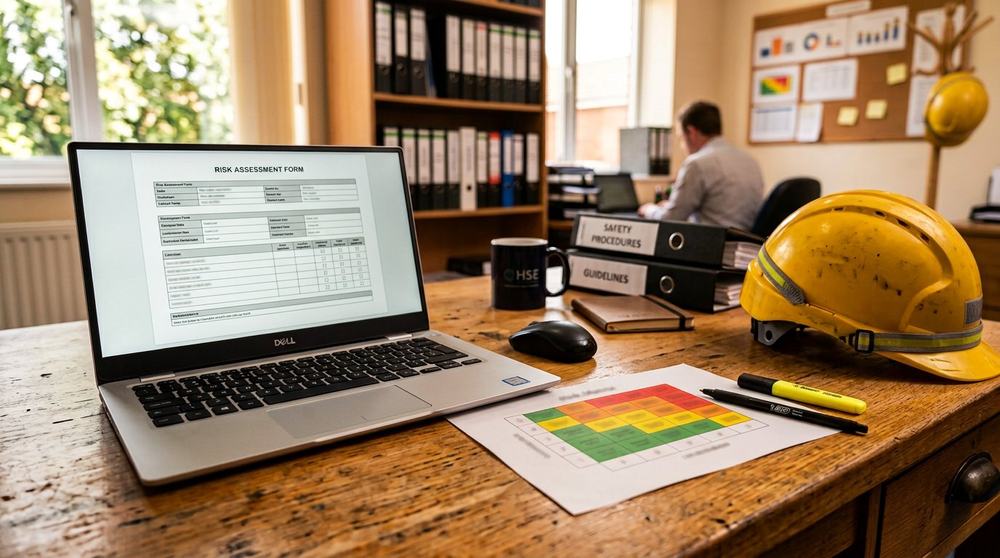
Principal Contractor Duties under CDM 2015 (the List)
The principal contractor duties under CDM 2015 are set out in Regulation 16, and they are the construction management in one place: to plan, organise and monitor the construction phase; to ensure the pre-construction information is used; to ensure the project is managed with the health and safety resources — the people, the equipment, the welfare; to coordinate and cooperate with the client, the principal designer and the contractors; to ensure the temporary works are safe; to ensure the site rules and the inductions run; and to keep the record of the coordination. The duty holder who is the principal contractor is the one who holds the sequence, and the sequence is where the interface — and the incident — lives.
Principal Designer Duties under CDM 2015
The principal designer duties sit on the design side, in Regulation 11: to plan, lay out and manage the pre-construction phase; to coordinate the health and safety in the design; to eliminate or reduce the foreseen risk in the design, not in the build; to provide the pre-construction information to the principal contractor; and to cooperate with the duty holders. The principal designer and the principal contractor are the two who run the project for the client — the designer on the paper, the contractor on the floor — and the CDM audit that passes is the one where the two can show the handover between the design and the build.
Who Is the Principal Contractor? (the CDM Roles Explained)
The CDM 2015 has five duty holders: the client (the one who commissions), the principal designer (the design phase), the principal contractor (the construction phase), the designer (the one who designs), and the contractor (the one who builds). On the small project the client can take on the principal designer and the principal contractor role; on the large project the three are three firms. The role is not the job title — it is the duty that is held, and the duty is what the HSE enforces on the project.
Need the sign-off, not just the guide?
The guide is the preparation; the sign-off is the professional. For the ISO 45001 implementation and audits, the RIDDOR and CDM work, the statutory assessments and the training that comes with them, ask Muhammad Umer — 8+ years across Iraq, KSA and Pakistan, and the programme runs through umer-hse.pro. One message gets the written scope.
Common questions
CDM 2015 — answered
What does CDM stand for?
Construction (Design and Management) Regulations 2015 — the UK health and safety law for construction. CDM assigns a specific duty to each of the five duty holders: the client, the designer, the principal designer, the principal contractor, and the contractor.
What are the roles in CDM 2015?
The client commissions the project and plans the time, the resource, and the information. The designer designs the project and designs out the risk. The principal designer co-ordinates the design phase and identifies the design risks. The principal contractor organises and co-ordinates the construction phase, owns the CDM plan, and enforces compliance. The contractor follows the plan and manages the crew.
What is the principal contractor in CDM?
The duty holder who organises and co-ordinates the construction phase. The principal contractor is appointed by the client in writing, owns the CDM plan, manages the site risks, enforces compliance with CDM across the contractors, and reports the incidents that RIDDOR covers.
What is the difference between the principal designer and the principal contractor?
The phase. The principal designer owns the design phase — pre-construction, the design, and the tender — co-ordinates the designers, identifies the design risks, and hands the information to the principal contractor. The principal contractor owns the construction phase — the on-site build — runs the CDM plan, and enforces it.
What is a CDM plan?
The construction phase plan: the risks of the build, the controls, the sequence of the work, and the resources. The principal contractor prepares and implements it, keeps it current as the design develops, and shares it with every contractor on site.
What is the F1 in CDM?
The health and safety file: the post-construction information the maintainers and any future contractor need — the as-built risks, the residual risks, the emergency arrangements. The principal designer prepares it, the principal contractor updates it through the build, and the client receives it at handover.
Keep reading
Related guides
RIDDOR Explained: the Full Form, the Duty, the Examples
RIDDOR explained: the full form (Reporting of Injuries, Diseases and Dangerous Occurrences Regulations 2013),
UK HSE · 10 September 2026Suitable and Sufficient: What the Law Means by Risk Assessment
Suitable and sufficient risk assessment: what the UK law means by the two words
UK HSE · 8 September 2026HSE Consultation: the Duty, the Workers, and the Method
HSE consultation, explained: the legal duty, the worker and the worker representative, the method (the safety
THE HEALTH AND SAFETY is an education and knowledge network. The guides are free and open; the professional assessments and the training run through umer-hse.pro.
Safety disclaimer
The guides on this site are practical guidance, built to the UK baseline with the US equivalents named in the text. They do not replace a competent person assessment for high-risk work, a statutory assessment, or the advice of your insurer. Where a duty has legal force — the RIDDOR report, the CDM plan, the ISO 45001 system — the responsible person or the responsible owner carries it. Read the guide as the preparation, and take the sign-off from the competent person.