
Practical Skills course
Permit to Work (PTW)
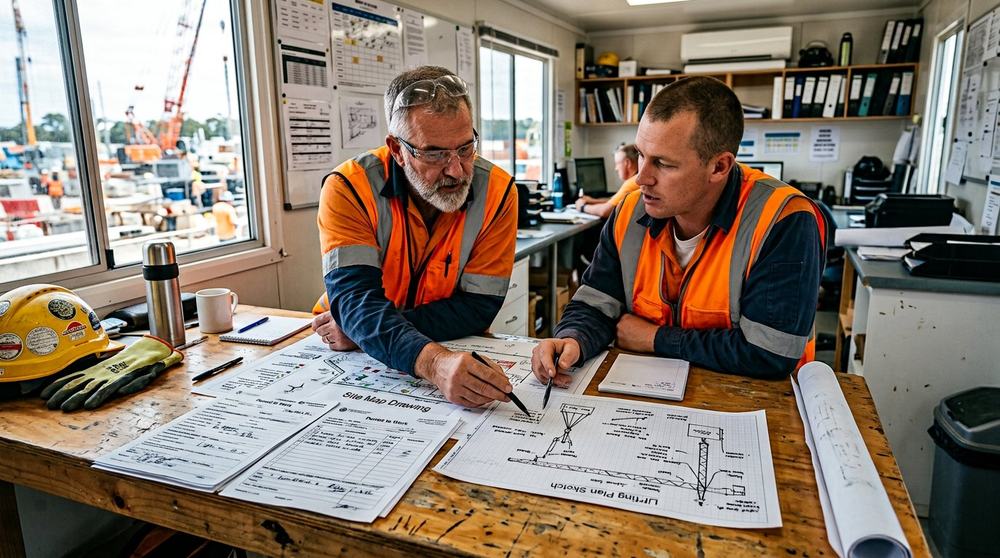
Permit to work training: the PTW system, the permit types (hot work, confined space, electrical, digging), the permit holder and issuer roles, and the handover — the formal PTW credential for high-risk work.
Who this course is for
- HSE staff who run the PTW system on site
- Supervisors and permit holders who must issue and hold permits
- Workers who work under a permit and need to understand the system
- Anyone who has had a PTW near-miss or a permit audit finding
The syllabus — what you’ll actually cover
| Module | What it covers |
|---|---|
| The PTW system | Why the permit exists; the system design; the permit types: hot work, confined space, electrical, digging, working at height This module is the baseline the rest of the drill assumes — build it properly. |
| The roles | The permit issuer; the permit holder; the supervisor; the worker; the handover at shift change The applied module: the technique is simple until the drill puts it under time and pressure. |
| The permit elements | The hazard; the isolation; the controls; the duration; the sign-off; the cancellation and the reopening The practical core — the module that separates workers who do the work from workers who describe it. |
| The hot work permit | The fire watch; the fuel control; the 30-minute post-work fire watch; the hot work specific controls Keep this module automatic until the assessment day; it is the area with the most direct marks. |
| The audit and the improvement | The PTW audit; the findings; the near-miss from the permit; the continuous improvement The closing module ties the skill to the emergency — bring your site examples here and the drill becomes familiar. |

The exam & assessment
Practical assessment: you complete a PTW start to finish, including the handover. Completion certificate issued on passing the practical and the knowledge check.
Duration & delivery
A half-day to one-day course (3–6 hours) through the official programme, including the practical PTW completion.
How to prepare — the tips that actually work
- Complete a real PTW start to finish before the course — the practical mirrors it
- Know the permit elements in order: hazard, isolation, controls, duration, sign-off
- Study the hot work fire watch requirement; it is the highest-stakes control
- Bring a real PTW from your site and work through its elements before the course
Where this takes your career
The permit to work is the control that keeps high-risk work safe, and the PTW audit is where the failures show. This course is the formal credential for the PTW system, and it is the standard line on high-risk work sites.
What you’ll be able to do
- Do the practical work safely, with the technique trained and drilled
- Pass the practical assessment with the standard the course requires
- Hold the credential your site, permit or tender lists for this task
- Work the interface — the permit, the team, the handover — the way the real work runs
- Respond correctly under pressure, when the drill becomes the emergency
What the course actually looks like
The course runs through the official programme in the standard duration for this practical, with the drill and the assessment on the real equipment. You get the sequence trained until it is automatic, the assessment standard demonstrated, and the certificate on passing. Schedules and fees are published on the official website — one message gets you the written quote.
How employers see this qualification
On the site, the practical credential is the line that gets you on the task. The permit lists it, the tender lists it, and the supervisor checks it before the work starts. A trained and credentialed worker is the worker the site plan is built around — and the one the investigation credits when something goes right.
Common mistakes candidates make
- Treating the practical as a formality — the assessment is timed and on the real equipment
- Skipping the pre-use inspection sequence; it is the first thing assessed and the first thing that saves you
- Practising alone instead of with the team communication the work actually needs
- Letting the credential lapse without the refresher the employer or permit expects
How this fits with the other qualifications
On the practical skills range, Permit to Work (PTW) sits alongside the others like this:
- H2S Escape & SCBA (Practical Skills) — H2S Escape & SCBA Training — 1-Day Practical, Confined & Open Space
- OSHA Confined Space (OSHA (US)) — OSHA Confined Space Training — 1910.146 & Permit-Required Spaces
- Fire Marshal Warden (Practical Skills) — HSE Fire Warden & Fire Marshal Training — 1-Day Practical Course
The official programme will map the right sequence for your goals — one conversation on WhatsApp saves months of guessing.
Before you enrol — confirm these five things
- The exact syllabus version the awarding body is running right now — and that it matches the batch you are booking
- The assessment format in writing: open-book or closed-book, the duration, the pass mark, and how many sittings per year
- The total fee in your currency, what it includes (materials, exam entry, certificate) and the refund position
- The delivery language and whether the classes are in person, virtual or self-paced with a live exam
- Your exam slot and the validity window, so the qualification lands when your role or tender actually needs it
Fees, dates & enrolment
Course information on this page is educational. Batch schedules, fees and enrolment run through the official programme — one conversation gets you a written quote, the exam slot and the study plan.
Common questions
Permit to Work (PTW) — answered
How long is the permit to work training?
3–6 hours — a half-day to one-day course including the practical PTW completion.
What are the main permit to work types?
Hot work, confined space, electrical, digging and working at height — the five permit types the course covers, each with its specific controls.
Who needs permit to work training?
HSE staff who run the PTW system, supervisors and permit holders who issue and hold permits, and workers who work under a permit.
What is the permit holder's duty?
The permit holder is responsible for the controls being in place before the work starts, for the duration of the permit, and for the handover at shift change — the core duty the course tests.
How do I book this course and what does it cost?
Batch schedules and fees depend on country, group size and delivery mode. Message the official programme on WhatsApp or through umer-hse.pro — you get a written quote with the exam slot and the study plan.
Keep building
Related courses
H2S Escape & SCBA
H2S Escape & SCBA Training
OSHA (US)OSHA Confined Space
OSHA Confined Space Training
Practical SkillsFire Marshal Warden
HSE Fire Warden & Fire Marshal Training
THE HEALTH AND SAFETY is an education and knowledge network, not an awarding body. Qualifications are issued by the awarding organisations, and enrolment runs through the official programme.
Safety disclaimer
Course information is for guidance and planning. Syllabus, assessment and certification requirements are set by the awarding body and can change — always confirm the current requirements with the awarding body or the official programme before enrolment.